
Family patterns can influence beliefs, behaviors, relationships, and spiritual growth. Many Christians wonder whether recurring struggles within a family line are the result of spiritual strongholds, learned behaviors, or the consequences of past choices. Regardless of the cause, Scripture consistently points believers toward hope, redemption, and transformation through Jesus Christ.
The Bible teaches that God is both just and merciful. While sin can have consequences that affect future generations, God’s grace provides a path toward healing, restoration, and freedom. Through repentance, faith, prayer, and obedience, believers can experience spiritual renewal and establish a legacy of blessing for future generations.
This guide explores biblical teachings, practical steps, powerful prayers, and key scriptures that help Christians walk confidently in God’s promises and overcome destructive family patterns.
Understanding Generational Patterns in the Bible

The concept of family influence appears throughout Scripture. The Bible shows how the choices of one generation often affect the next. At the same time, it repeatedly emphasizes personal responsibility and God’s desire to redeem His people.
Key Scripture
“The Lord is compassionate and gracious, slow to anger, abounding in love.” — Psalm 103:8
Many people use the term “generational curse” to describe recurring issues such as:
- Addiction
- Anger and conflict
- Financial instability
- Broken relationships
- Fear and anxiety
- Unhealthy habits
- Spiritual apathy
- Repeated moral failures
The Bible acknowledges that sin can create consequences that extend beyond one generation. However, it also reveals that God’s mercy is available to all who turn to Him.
What Does the Bible Say About Family Strongholds?
Several passages are frequently referenced when discussing inherited spiritual struggles.
Exodus 20:5-6
“I, the Lord your God, am a jealous God, punishing the children for the sin of the parents to the third and fourth generation of those who hate me, but showing love to a thousand generations of those who love me and keep my commandments.”
This passage highlights both justice and mercy. While consequences may extend through families, God’s blessings reach far beyond them.
Ezekiel 18:20
“The one who sins is the one who will die. The child will not share the guilt of the parent.”
This verse emphasizes personal accountability. Each individual is responsible for their own choices before God.
Galatians 3:13
“Christ redeemed us from the curse of the law by becoming a curse for us.”
This powerful scripture points to the work of Jesus Christ as the foundation of spiritual freedom.
Signs of Negative Family Patterns

Not every challenge is evidence of a spiritual curse. Some struggles result from learned behaviors, unhealthy environments, or personal decisions. Nevertheless, recurring patterns deserve prayerful examination.
Common signs may include:
Emotional Patterns
- Chronic fear
- Persistent anxiety
- Unforgiveness
- Anger issues
- Deep resentment
Relational Patterns
- Repeated divorce
- Family conflict
- Abandonment
- Lack of trust
- Generational trauma
Behavioral Patterns
- Addiction
- Substance abuse
- Gambling
- Sexual immorality
- Dishonesty
Spiritual Patterns
- Resistance to faith
- Ongoing rebellion against God
- Persistent unbelief
- Lack of spiritual growth
Recognizing these patterns is the first step toward transformation.
Biblical Foundations for Freedom
The Bible consistently teaches that believers are not defined by their past.
Jesus Christ Brings Redemption
The gospel message centers on redemption. Through His death and resurrection, Jesus provides forgiveness and a new identity.
2 Corinthians 5:17
“If anyone is in Christ, the new creation has come: The old has gone, the new is here!”
Believers are not prisoners of family history. They are children of God with access to His power and grace.
Romans 8:1
“There is now no condemnation for those who are in Christ Jesus.”
Freedom begins with understanding who we are in Christ.
The Role of Repentance
Repentance means turning away from sin and turning toward God.
Why Repentance Matters
Repentance:
- Restores fellowship with God
- Opens the door to healing
- Breaks cycles of disobedience
- Strengthens spiritual growth
- Leads to transformation
Acts 3:19
“Repent, then, and turn to God, so that your sins may be wiped out.”
Repentance is not merely feeling sorry. It is a deliberate decision to follow God’s ways.
The Power of Forgiveness
Unforgiveness can keep wounds open for years.
Forgiving Others
Jesus repeatedly taught the importance of forgiveness.
Benefits include:
- Emotional healing
- Spiritual growth
- Restored relationships
- Greater peace
- Freedom from bitterness
Ephesians 4:31-32
“Be kind and compassionate to one another, forgiving each other, just as in Christ God forgave you.”
Forgiveness does not excuse wrongdoing. It releases the burden of resentment and entrusts justice to God.
Renewing the Mind Through God’s Word
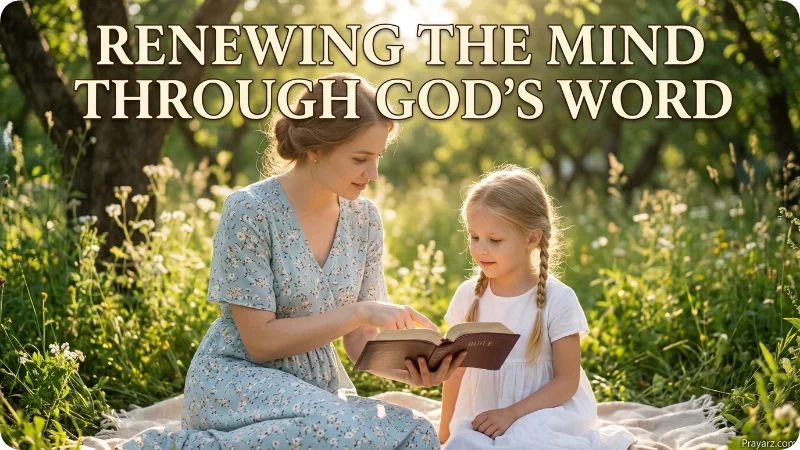
Transformation requires more than prayer. It involves replacing destructive beliefs with biblical truth.
Romans 12:2
“Do not conform to the pattern of this world, but be transformed by the renewing of your mind.”
Practical ways to renew the mind:
- Daily Bible reading
- Scripture memorization
- Worship
- Christian fellowship
- Biblical teaching
- Consistent prayer
As truth replaces lies, spiritual growth becomes possible.
Seven Biblical Steps Toward Family Healing
1. Acknowledge the Pattern
Honesty is essential.
Ask yourself:
- What recurring struggles appear in my family?
- Are there behaviors that continue from generation to generation?
- How have these patterns affected my spiritual life?
Awareness creates opportunity for change.
2. Seek God Through Prayer
Prayer invites God’s presence into every area of life.
James 5:16
“The prayer of a righteous person is powerful and effective.”
Consistent prayer strengthens faith and opens the heart to God’s guidance.
3. Confess Personal Sin
Confession is a biblical principle that restores fellowship with God.
1 John 1:9
“If we confess our sins, he is faithful and just and will forgive us.”
Confession promotes spiritual healing and renewal.
4. Embrace God’s Promises
God’s Word contains countless promises for believers.
Examples include:
- Peace
- Wisdom
- Protection
- Guidance
- Restoration
- Eternal life
Faith grows when believers focus on God’s promises rather than their fears.
5. Reject Destructive Behaviors
Spiritual freedom requires practical obedience.
This may involve:
- Ending toxic relationships
- Seeking counseling
- Joining a support group
- Establishing healthy habits
- Pursuing accountability
Faith and action work together.
6. Build a Strong Prayer Life
A healthy prayer life creates spiritual resilience.
Daily prayer can include:
- Thanksgiving
- Worship
- Confession
- Intercession
- Scripture meditation
Consistency matters more than length.
7. Establish a Legacy of Blessing
God desires families to reflect His love and truth.
Ways to create a positive legacy:
- Teach biblical values
- Model forgiveness
- Prioritize worship
- Encourage faith
- Serve others
Every generation has the opportunity to influence the next.
Powerful Scriptures for Spiritual Freedom
These Bible verses are often used during prayer and personal study.
John 8:36
“So if the Son sets you free, you will be free indeed.”
Isaiah 61:1
“He has sent me to bind up the brokenhearted.”
Romans 8:37
“In all these things we are more than conquerors.”
Philippians 4:13
“I can do all things through Christ who strengthens me.”
Psalm 91:2
“He is my refuge and my fortress.”
2 Timothy 1:7
“For God has not given us a spirit of fear.”
Jeremiah 29:11
“For I know the plans I have for you.”
A Prayer for Family Healing and Freedom
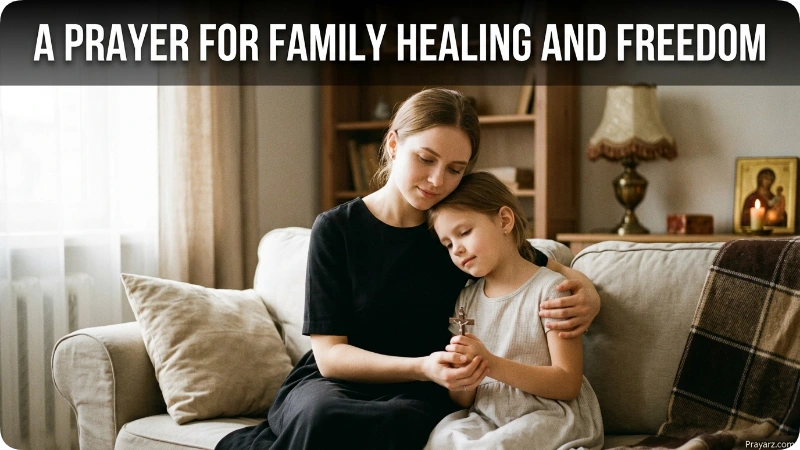
Heavenly Father,
I come before You in the name of Jesus Christ. Thank You for Your mercy, grace, and unfailing love. I acknowledge my need for Your wisdom and guidance.
Search my heart and reveal any areas where I have fallen short of Your will. Forgive my sins and help me walk in obedience to Your Word.
Lord, I surrender every burden, fear, wound, and struggle into Your hands. Heal the broken places in my life and bring restoration to my family. Replace bitterness with forgiveness, fear with faith, and confusion with peace.
Help me reject every pattern that opposes Your truth. Strengthen me through the power of the Holy Spirit so I may live according to Your purposes.
Fill my home with love, unity, wisdom, and spiritual growth. Let future generations experience Your blessing and faithfulness.
I trust in Your promises and thank You for the victory found in Jesus Christ.
Amen.
How Faith Creates a New Family Legacy

Faith is more than belief. It shapes decisions, attitudes, and priorities.
A transformed life can influence:
- Children
- Grandchildren
- Extended family
- Friends
- Communities
Throughout Scripture, God used faithful individuals to impact future generations.
Abraham
Abraham’s obedience established a legacy of faith.
David
Despite failures, David’s devotion to God influenced Israel’s history.
Timothy
Timothy benefited from the sincere faith of previous generations.
These examples demonstrate the lasting impact of spiritual commitment.
Common Misconceptions
Misconception 1: Every Problem Is a Curse
Not all difficulties are spiritual curses.
Many challenges arise from:
- Poor choices
- Trauma
- Environment
- Personal habits
- Life circumstances
Wisdom requires discernment.
Misconception 2: Freedom Comes Through Rituals Alone
Biblical freedom comes through Christ, faith, repentance, and obedience.
No ritual can replace a genuine relationship with God.
Misconception 3: The Past Determines the Future
The gospel teaches the opposite.
God specializes in redemption, restoration, and new beginnings.
Practical Daily Habits for Lasting Transformation
Morning
- Read Scripture
- Pray
- Reflect on God’s promises
Afternoon
- Practice gratitude
- Encourage someone
- Meditate on a Bible verse
Evening
- Examine your heart
- Confess mistakes
- Thank God for His faithfulness
Small daily actions often produce significant long-term results.
FAQs
The Bible acknowledges that sin can have consequences that affect families. However, it also teaches personal responsibility and emphasizes God’s mercy, redemption, and power to transform lives through Jesus Christ.
Can Christians experience freedom from family strongholds?
Yes. Scripture teaches that believers can find freedom through faith in Christ, repentance, obedience, and the work of the Holy Spirit.
Which Bible verse is most often quoted regarding freedom?
Galatians 3:13 is frequently cited because it highlights Christ’s redemptive work on behalf of believers.
How important is forgiveness?
Forgiveness is essential for spiritual and emotional healing. It allows believers to release bitterness and trust God with justice.
What role does prayer play?
Prayer strengthens faith, deepens intimacy with God, provides guidance, and helps believers seek wisdom during difficult seasons.
How can families establish a positive spiritual legacy?
Families can build a strong legacy by prioritizing prayer, studying Scripture, modeling forgiveness, serving others, and teaching biblical values.
Does repentance matter?
Yes. Repentance is a key biblical principle that restores fellowship with God and supports spiritual growth.
Can God’s blessings impact future generations?
Absolutely. Scripture repeatedly emphasizes God’s faithfulness to those who love Him and follow His ways.
Conclusion
The Bible presents a message of hope for anyone struggling with destructive family patterns, spiritual strongholds, or the lingering consequences of past choices. While sin can leave a lasting impact, God’s grace is greater than any failure, mistake, or inherited struggle. Through Jesus Christ, believers are offered forgiveness, redemption, healing, and a new beginning.
Lasting transformation comes through repentance, faith, prayer, obedience, and the renewing power of God’s Word. As individuals choose to follow Christ, they not only experience personal growth but also create a foundation that can positively influence future generations.
God’s desire is not merely to free people from the burdens of the past but to lead them into a future marked by peace, purpose, restoration, and blessing. By trusting His promises and walking daily in faith, believers can embrace the new identity found in Christ and build a legacy that honors God for generations to come.
